

As a result, liver tissue can become inflamed, leading to fibrosis, and ultimately cirrhosis and liver failure. There is also an increased risk of liver cancer if you continue to drink while intolerant. If you continue to drink alcohol and suffer from alcohol intolerance, this is likely to cause liver damage. At the first signs and symptoms of a severe allergic reaction, it’s essential to use epinephrine and go to the nearest emergency department for immediate follow-up care. If you have alcohol allergy, the only way to avoid symptoms is to avoid alcohol completely.
Moderating Your Drinking
The best way to handle it is to steer clear of triggers and manage any symptoms that crop up. There’s some exciting research happening around enzyme replacement therapies and personalised medicine, which could lead to better ways to help with alcohol metabolism in the future. If you’re seeking options that are less likely to cause unwanted reactions, how do i know if i have alcohol intolerance consider adding alcohol-free selections to your drink choices. Non-alcoholic beverages—like mocktails, alcohol-free beers, and wines—offer a similar social experience without the risk of negative effects. Mocktails, crafted from fresh juices and aromatic herbs, can be just as enjoyable as their alcoholic counterparts. It’s important to note that alcohol intolerance can trigger both immediate and delayed reactions, making it a bit tricky to identify.

What are the symptoms of alcohol intolerance?
True alcohol allergy is thought to be rare, while alcohol intolerance is more common. Some people may incorrectly assume they are allergic to alcohol, when in fact they are actually reacting to other components of alcoholic drinks. The only way to avoid alcohol intolerance symptoms or an allergic reaction is to avoid alcohol or the particular beverage or ingredients that cause the problem. For a minor reaction, over-the-counter or prescription antihistamines may help reduce symptoms, such as itching or hives. Some experts suggest that if your body can’t break down histamine as well as it should, it can build up in your body and cause symptoms.
Impact of COVID on alcohol sensitivity
- Most cases of suddenly developed alcohol intolerance occur due to starting a new medicine that causes it.
- It is important to note that alcohol intolerance is not an allergy, although the two conditions can be difficult to distinguish and share some similar symptoms.
- It is treated by medical personnel with the administration of intravenous fluids and one or more epinephrine (adrenalin) injections.
- Post-viral fatigue (PVF) is fatigue that first starts during a viral infection but persists after the virus has gone.
The color change will generally be quite noticeable and affect your entire face. You may notice a feeling of warmth in the skin of your face as the blood flow increases. Alcohol allergy, on the other hand, is caused because your body’s immune system attacks a component of an alcoholic beverage. Something in the alcohol, such as hops or grapes, causes most alcohol allergies rather than the alcohol itself.
- Sneezing, nasal congestion, and a runny nose may also be signs of a wheat allergy (70).
- We test for common ingredients found in alcoholic drinks, such as grains, yeast and certain fruits.
- The services offered on our website, such as expert guidance, articles, and resources, are not meant to replace the advice of your personal doctor or other healthcare providers.
- This causes alcohol to build up in the system, triggering uncomfortable symptoms.
The symptoms of alcohol intolerance include flushing (a red face), a rapid heart rate, a headache, low blood pressure, hives, a runny nose, and stomach pain. These symptoms can be very uncomfortable and can occur even after drinking a small amount of alcohol. It is important to distinguish between alcohol intolerance and alcohol allergy.
We now have an array of gluten-free beers and spirits, made from naturally gluten-free grains like sorghum, rice, and millet. Certain alcoholic beverages are known to have higher histamine levels. Red wine, for instance, is often considered one of the most notorious for high histamine content. In fact, red wine generally has between 20–200% more histamine than white wine. This is because red wines are made from fermented grapes, which naturally produce histamines during fermentation.
- Working with your provider, you can put together the clues to try to help you feel better.
- However, people who experience anaphylaxis should get emergency medical attention, even if they have self-administered epinephrine (74).
- Treatment for food intolerances usually involves avoiding foods or beverages that cause your symptoms.
- Feeling tired is very common and usually not linked to any condition.
- This is due to your body’s immune response, which is triggered once you eat an allergen like wheat (69).
An inherited metabolic disorder means you got this condition from your parents — they each passed down a mutated (changed) gene that resulted in this disorder. Even if your parents don’t have the condition, they can pass it to you.
Many people with an alcohol intolerance find themselves unable to drink any alcohol without experiencing the effects this condition causes. It is important to seek specialist advice if your suspect some sort of alcohol intolerance, as alcohol intolerance and alcohol allergy are commonly confused and misdiagnosed. Alcohol can cause a great level of discomfort if someone drinks it without being aware they have alcohol intolerance. Continuing to drink alcohol while knowing you are intolerant (or allergic) can also have severe health consequences.
Less Common Medical Causes To Know About
Antihistamines can help alleviate some of the Alcoholics Anonymous symptoms of alcohol intolerance, such as nasal congestion, hives, and itching. However, these medications should be used with caution and under the guidance of a healthcare provider. As you think about what to do next, have you considered getting a food intolerance test from Supply Life? It might help you discover some sensitivities you didn’t even know you had, which would let you customise your diet even more. We test for common ingredients found in alcoholic drinks, such as grains, yeast and certain fruits.
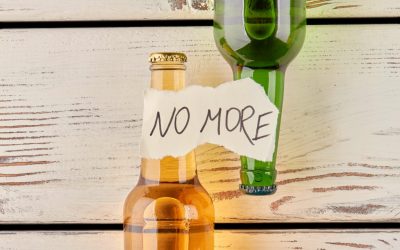
Here at Supply Life, we offer a comprehensive food intolerance test designed to help you pinpoint specific sensitivities that may be impacting your health and comfort. Our easy-to-use testing kits allow you to collect samples from the comfort of your home and send them to our state-of-the-art laboratory for analysis. Consulting a healthcare professional is advisable for proper diagnosis and to rule out other potential conditions. A doctor can help differentiate between alcohol intolerance, an alcohol allergy, or other underlying health issues. Alcohol intolerance describes a condition where the body cannot efficiently process alcohol. This metabolic difficulty leads to unpleasant reactions shortly after consuming alcoholic beverages.
Avoid mixing alcohol with medications or other substances that could exacerbate symptoms. Additionally, stay hydrated and https://tribedcircuit.com/alcohol-night-sweats-the-effects-of-drinking/ eat before drinking to slow alcohol absorption. If you suspect you have an alcohol allergy or intolerance, it’s essential to determine the root cause through proper testing. Alcohol allergies and intolerances are distinct conditions, and understanding the difference is crucial for accurate diagnosis and management.